
Termites
Inspections, Treatment, and Prevention Strategies
Termites
Inspections, Treatment, and Prevention Strategies
If you’re like many Connecticut residents, your home is your most valuable investment. To maintain your property and retain its value, you must implement timely protective measures against pests like termites. At AMPM, our integrative strategies assist you with this goal. We provide essential services to defend your home and your family against damaging termite infestations.
We are pest control professionals, and we’re dedicated to protecting people and the structures where they live. We inspect your home for termites and other invasive pests and eliminate their infestations.
Request A Free Estimate
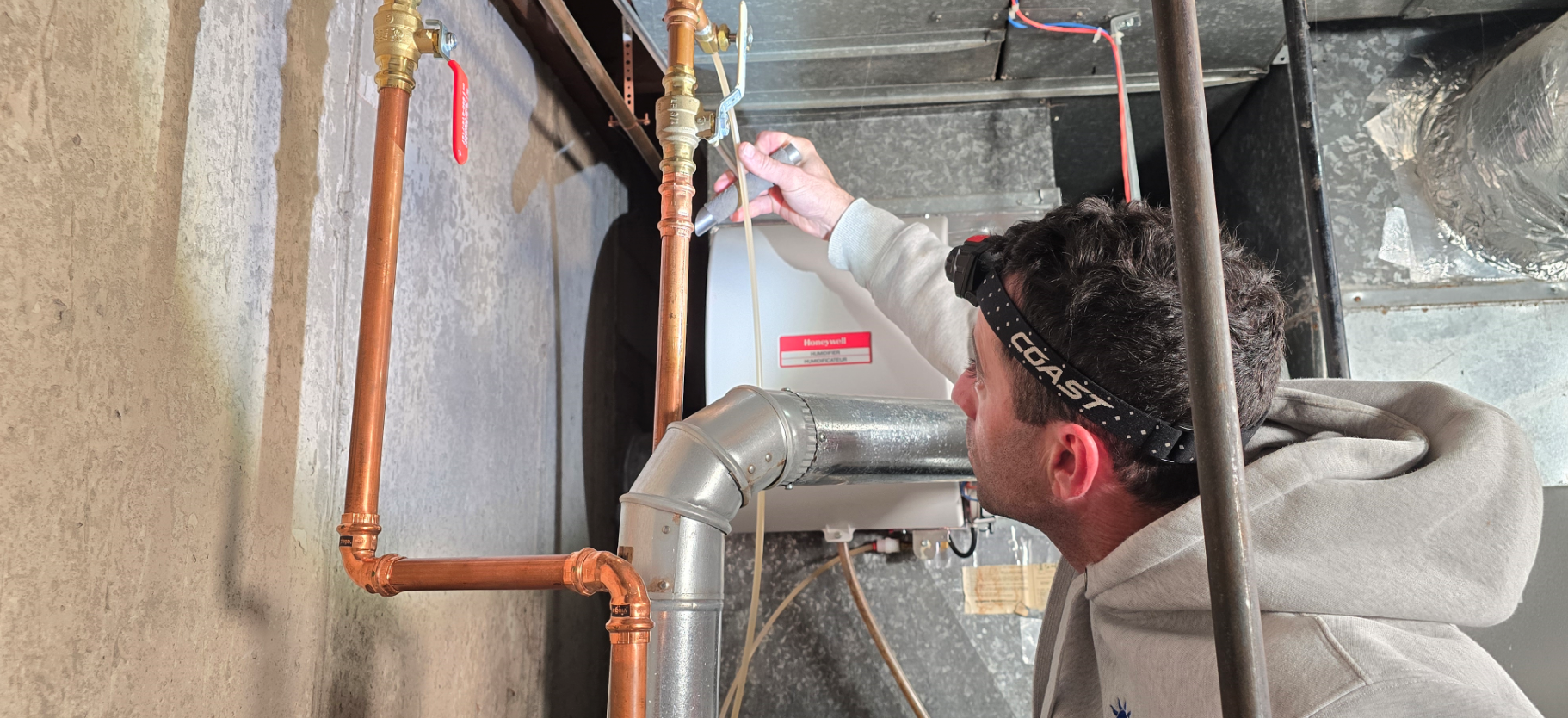
How Termites Enter Your Home
If termites have invaded your Connecticut home, a colony of Eastern Subterranean Termites (Reticulitermes flavipes) is likely to blame. As the most common termite in the state, their appetite for wood cellulose often causes significant structural damage to local homes. As the name suggests, these pests live primarily underground, and in wooded areas. They may settle into your home if they can gain access and find what they need to survive.
- Access Points: Termites tunnel into homes through adjacent features such as wooden porches and decks, climbing plants, mulch, and polystyrene insulation.
- Moisture: Termite colonies need moisture to survive. Your home’s downspouts and sprinkler system can generate the moisture they need.
- Food: Termites live where they have access to wood cellulose. When you have wooden resources adjacent to your home (firewood, mulch, etc.) they often attract termites to their endless food supply.

Residential Termite Management

Inspection
Our Pest Control Operators conduct a thorough interior and exterior home examination. We search for signs of infestation that you might not notice or recognize.
- Mud Tubes: Subterranean termites use mud tubes when traveling from the soil into your home.
- Swarming termites: Winged termites signal a nearby colony. Homeowners may mistake them for “winged ants.”
- Shed wings: Detached wings near windows or doors can be a sign of termite activity.
- Wood That Sounds Hollow: We tap wooden structures and listen to the sounds we hear. A hollow sound can signify that termites have eaten away a wooden structure’s interior.
- Moisture Content: We determine if an area of your home has a high moisture content that may attract termites.

Treatment
If we confirm an infestation, we create a treatment plan for your review. We consider the termite species, infestation severity, and property areas affected. We look at multiple factors to determine the most effective and efficient treatment options.
- Liquid Treatments
- Foam Treatments
- Termite Baiting Systems

Follow-Up

Prevention
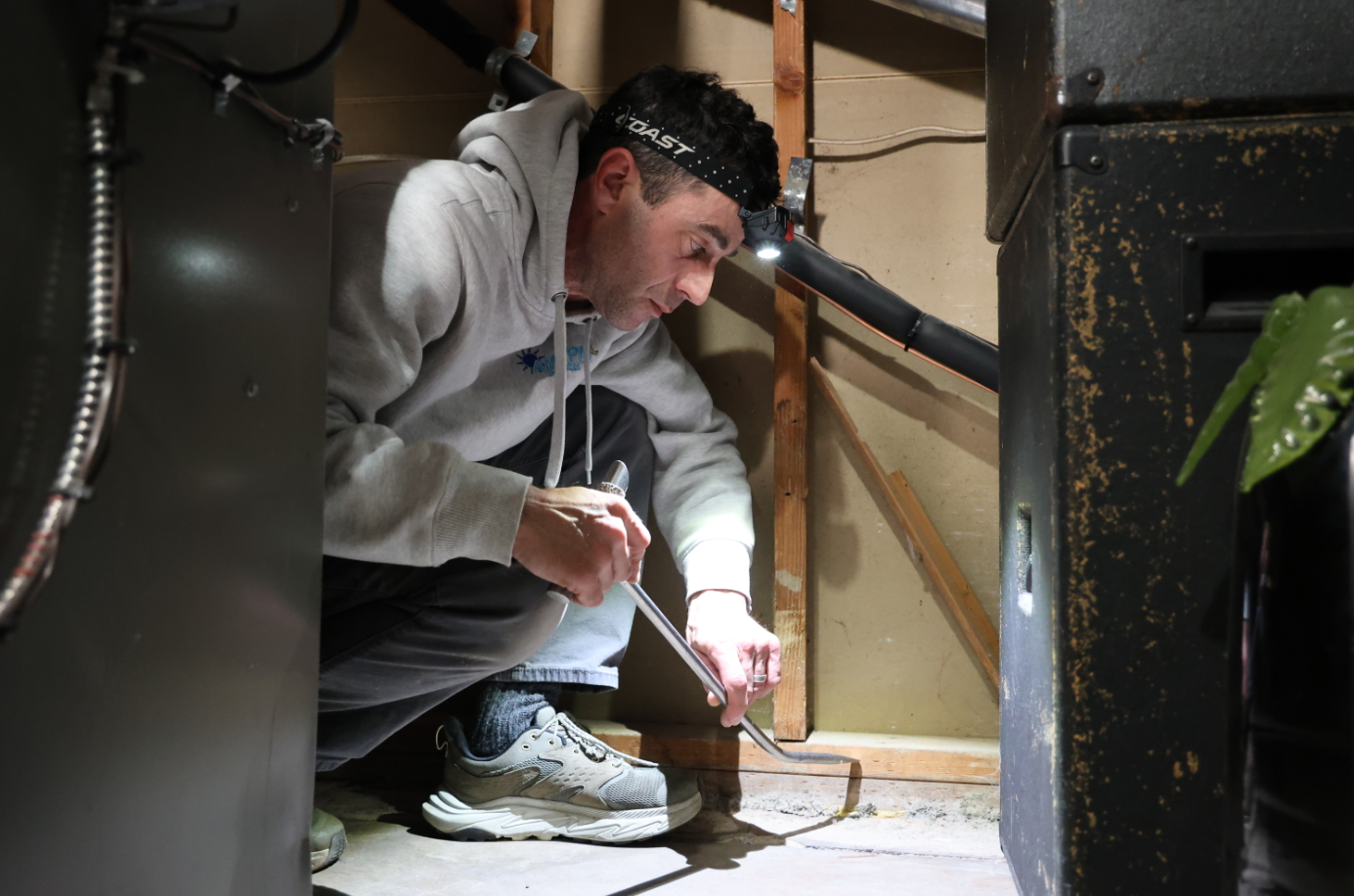
Why Regular Termite Inspections Are Essential
When a termite colony settles into your home, it can easily destroy between 10 and 12 pounds of wood each year. That’s equal to a joist, a 2X4X10, or a section of wooden flooring. If multiple colonies enter, structural damage increases significantly.
Termites burrow into your home’s wooden structures. They consume cellulose and weaken the wood from the inside. Unfortunately, you might not notice the signs of an infestation, and this allows the damage to continue. When left untreated, termite colonies gradually damage your home and diminish its value until you eliminate them.
Many people arrange termite inspections only when they’re in the process of buying or selling a home. This can be problematic if either a buyer’s or seller’s inspector discovers an unanticipated infestation.
- Connecticut General Statutes require that home sellers notify potential buyers of adverse conditions, such as termites and other pests.
- As a seller, an unexpected infestation can compel you to deal with a pest control company that’s available but might not meet your standards. Termites can force you to reduce your selling price or remove your home from the market until you resolve your pest issues.
- As a buyer, you won’t want to pay the market price for a home with termite damage. A termite infestation will likely change your mind about your prior commitment to buy a home.
Pest Management In Connecticut
If it’s been a while since a professional inspected your home for termite inspection, our Pest Control Operators can provide the services you need. Whether you’re concerned about termites, rodents, or other invasive pests, we respond quickly and work professionally. We can evaluate and eliminate your pests and provide information to help prevent future infestations.